Peace of Mind

We’ll do just about anything to feel at peace, won’t we?

We buy books we never read. We sign up for meditation apps we never open. We hire life coaches who make us repeat affirmations into the mirror like we’re auditioning for a toothpaste commercial.

Peace of mind is the ultimate luxury item. And like most luxury items, people will try to get it any way they can—cash, credit, or sheer denial.

We chase peace like it’s a runaway balloon, always just out of reach. But we chase it nonetheless. Why? Because when you don’t have peace, even the best parts of life feel itchy. And when you do have peace, even the chaos quiets down.

Let’s look at a couple of peace-hunters, shall we?

Meet James: The Gym Rat with a Secret

James was a high-powered real estate broker. He drove a Tesla, wore designer shoes, and never missed a networking brunch. But inside, he was a pressure cooker. He clenched his jaw so hard at night, his dentist named a vacation home after him.

To cope, James went all in on fitness. We’re talking 5 a.m. CrossFit, meal prepping, and protein shakes that tasted like wet cardboard. He told himself it was for health, but deep down, it was the only place he felt in control.

Eventually, between bench presses and burpees, James realized that he didn’t need tighter abs—he needed to loosen his grip on perfection. Peace didn’t come from pushing harder. It came from releasing what he couldn’t control. One day, he finally sat down and talked to a counselor—not a trainer—and discovered the art of breathing. Not just the inhale-exhale kind, but the kind that let him exhale guilt, shame, and the fear of disappointing others.

Turns out, peace was hiding in a quiet room, not a weight room.

Then There’s Monica: The Chronic People-Pleaser Turned Boundary Ninja

Monica was the kind of person who said “yes” before the question was finished. Bake sale? Sure. Last-minute report? Absolutely. Babysit your tarantula? You bet!

She was beloved, indispensable, and utterly exhausted.

Her mind raced every night with replayed conversations, second-guessing, and imaginary arguments where she finally told people what she should have said.

Then one day, she snapped—not loudly, but inwardly. She realized she had handed out slices of her peace like free samples at Costco.

So, she started small. “No, I can’t make it.” “Sorry, that doesn’t work for me.” “I’m not available this weekend.” Each sentence felt like doing pushups with her throat muscles, but she kept at it.

Now? Monica’s calendar is lighter. Her heart is freer. And her peace? Hard-won, but glorious.

What About You?

Maybe your peace looks like silence. Or a long walk. Or finally forgiving yourself for the thing you still punish yourself for in the quiet hours. The methods vary. But peace has a pattern—it doesn’t usually come through grasping. It comes through letting go.

And sometimes, the deepest peace isn’t found in doing more. It’s found in trusting more.

“You will keep the mind that is dependent on You in perfect peace, for it is trusting in You.”
— Isaiah 26:3 (CSB)


Golden Data

They say “data is the new oil,” but let’s be honest—oil is greasy, flammable, and gets stuck in your hair. Gold is cleaner, shinier, and more likely to fund your digital dreams. So let’s upgrade the metaphor: Data is the new gold.

And businesses? They’re in full-on prospector mode. Every brand with a product to sell wants a nugget of your personal data—your likes, your clicks, your coffee preferences. That intel is refined and sold like a high-value commodity. With it, companies target you with laser precision (and weirdly accurate ads for socks you didn’t know you needed). But here’s the kicker: these companies don’t like to share. Microsoft isn’t handing over its treasure chest to Meta, and Meta would rather eat kale than share with Google.

Data is valuable. So we guard it. Encrypt it. Lock it down.
But let me ask you this:

What about your real gold?

You know—your health, your peace of mind, your relationships, your time, your energy, your sense of purpose. The stuff no algorithm can sell you back once it’s spent.

Take Jackie Joyner-Kersee. She didn’t grow up with privilege or perfect circumstances. She battled asthma in college—a pretty inconvenient diagnosis for someone chasing Olympic greatness. She could’ve quit. But instead, she became a student of her own body and mind. She protected her health, fortified her mindset, and nourished her purpose like it was treasure. Because it was. And still is. That kind of focus turned her into a legend: three Olympic golds, six total medals, and a legacy built not just on talent, but on stewardship.

So yeah—data is the new gold.
But the real treasure? That’s you.

How are you protecting what matters most?
How are you guarding your joy, your purpose, your focus, your mental bandwidth?

You can’t outsource this kind of security. You have to choose it. Daily.

“Guard your heart above all else, for it is the source of life.”
— Proverbs 4:23 (Christian Standard Bible)

For Mom, With Love

You gave me roots, you gave me wings,
Taught me joy in little things.
With every hug, each whispered prayer,
You showed me love beyond compare.

Your hands have soothed, your heart has led,
You gave me strength with words unsaid.
On this day, I hope you see—
The world is better ’cause of thee.

Her children rise up and call her blessed; her husband also praises her.
Proverbs 31:28 (CSB)

Happy Mother’s Day. 💐

Wisdom in the Return

(“The plans of the diligent certainly lead to profit…” —Proverbs 21:5, CSB)

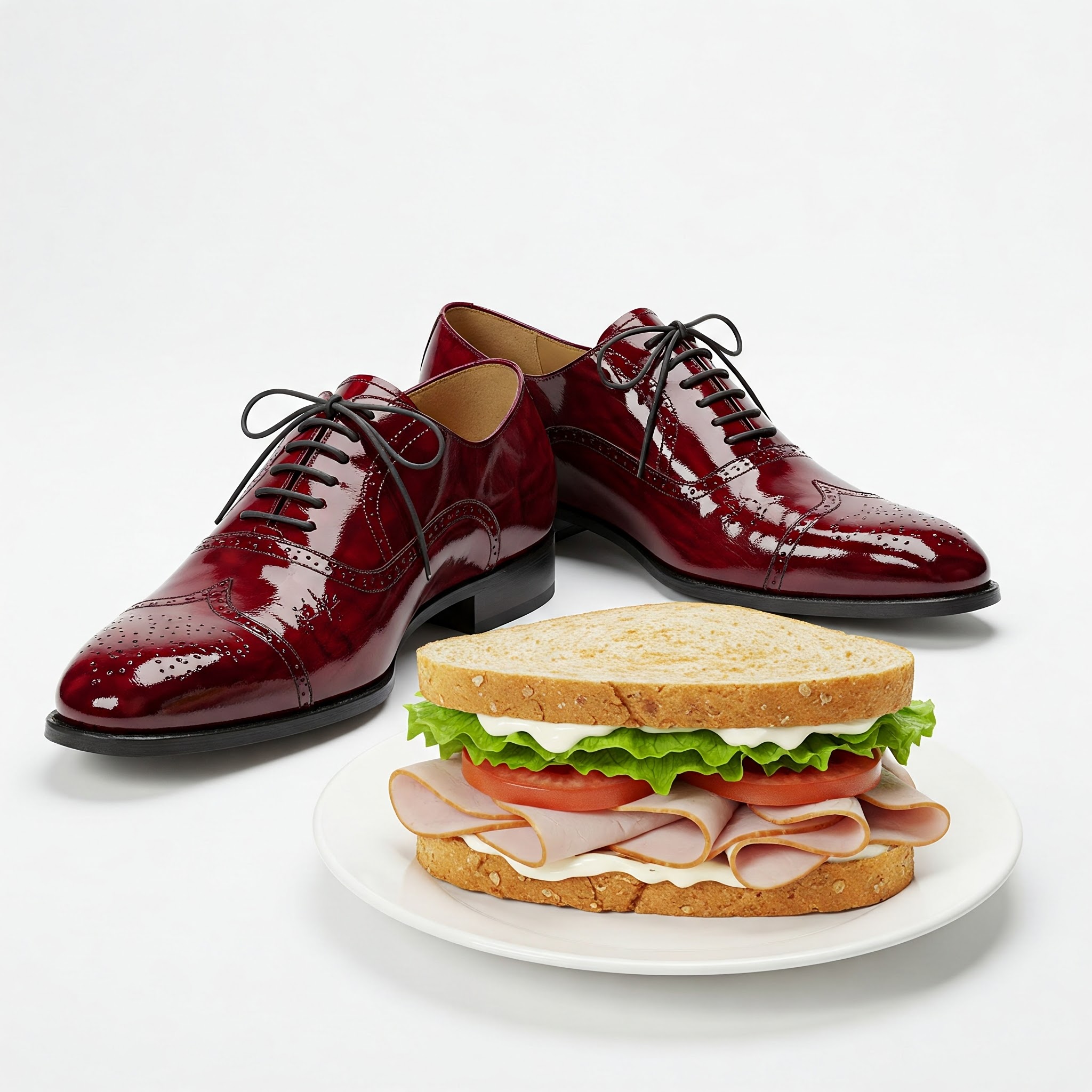
Before we buy something, we instinctively weigh its value to us—not just its price. For instance, we may happily spend an extra $50 on stylish, well-made shoes but balk at paying $2 more for a basic turkey sandwich. Why? Because we expect the shoes to last, serve multiple purposes, and maybe even enhance our image. The sandwich? It’s gone in ten minutes.

Whether we realize it or not, we’re considering return on investment (ROI) every time we make a purchase. We ask:

  • Is the benefit worth the cost?
  • How long will the value last?
  • Will this improve my life or image in a meaningful way?

These same principles should apply to how we invest our money.

When evaluating your investments—whether in a business, a stock, or a policy—ask yourself:

  • What is the real value I’m gaining here?
  • What’s my net return, after factoring in fees, volatility, and other expenses?

If an investment returns 12% but you lose 7% to market swings, fees, or other costs, your real return is only 5%. That 5% might be fine—or it might not be enough for your goals.

Take time to review your portfolio. You may decide it’s time to shift some or all of your assets into accounts that don’t lose value when the market does. That way, your net return gets much closer to your gross—and your wealth becomes more secure in the long run.

As Proverbs reminds us,

“The plans of the diligent certainly lead to profit.”
– Proverbs 21:5

Diligence in stewarding your resources isn’t just smart—it’s wise. And it honors the One who entrusted you with them.

Sunshine and Blue Skies

David once wrote in the Psalms, “When I observe your heavens, the work of your fingers, the moon and the stars, which you set in place, what is a human being that you remember him?” (Psalm 8:3-4, CSB). His heart, like mine, couldn’t help but cry out in wonder.

There’s something about a bright, sunny day—especially when the sky is a clear, uninterrupted blue. It lifts the spirit. No wonder summer’s packed with outdoor events and adventures. The light seems to carry joy with it. I feel more alive, more energized, when I’m soaking in a few rays. It’s as if creation itself is inviting us to come out and play.

Of course, not everyone’s a summer person. Maybe your soul lights up at the first snowfall, or you savor the crispness of autumn air. Whether you love skiing in winter or hiking in spring, one thing’s for sure—God made every season for a reason.

Today, I’m choosing to celebrate the Creator who makes everything beautiful in its time. Some blessings shine like the noonday sun—clear, bright, and unmistakable. Others are like stars on a cloudy night—you have to wait, look closer, and trust they’re there even when you can’t see them right away.

But in every season, in every circumstance, God is still working. Still creating. Still in control.

So take heart. Keep acting in faith. And trust in the One who paints the skies and holds the seasons in His hands.

“He has made everything appropriate in its time. He has also put eternity in their hearts…”
— Ecclesiastes 3:11 (CSB)

Flipping the Switch on Triggers

We all like to think we’re in control—rational, reasonable humans steering our lives like seasoned pilots. But then someone says the wrong thing at the wrong time… and suddenly, we’re spiraling into emotional turbulence with no memory of grabbing the yoke.

That’s a trigger. It flips a mental switch and boom—your brain stops consulting you and starts running an old program.

Take Harry in Kingsman. One moment, he’s a classy gentleman spy. The next, a sonic signal hits, and he’s turning a church into a WWE cage match. He wasn’t “deciding.” He was activated. While most of us don’t go full action movie, negative triggers can still launch us into fear, shame, or fury before we know what’s happening.

But not all triggers are saboteurs. Some are angels in disguise. A certain song can bring joy. A familiar face can calm nerves. A pre-game ritual might flip you into go-mode like a motivational switch. These positive triggers are gold—reliable boosts baked into your wiring.

The tricky part? Triggers can change sides. A once-happy memory can get hijacked by pain. But with enough awareness and effort, the reverse is also true—old hurts can lose their sting. The key is catching the trigger before it grabs the mic.

Now, if you are the accidental trigger for someone else, don’t be shocked when you get cast as the villain in their mental drama. But if you’ve built trust ahead of time—sown seeds of kindness and consistency—you might just get the benefit of the doubt. Grace comes easier when you’ve earned it in advance.

As for me? Guilt and shame are my personal supervillains. One little failure and they rush in like they’ve been waiting backstage. But I’m learning not to let them direct the show. I still have to show up, fumble through, and keep engaging with the world—even if I get metaphorically kicked in the teeth now and then.

Growth doesn’t mean never being triggered. It means getting quicker at noticing it, owning it, and rerouting before damage is done.

“Do not be conformed to this age, but be transformed by the renewing of your mind…”
– Romans 12:2 (CSB)

So here’s to rewiring the system—one awkward conversation, one deep breath, one small win at a time.

New Life Blooms

As the spring sunshine warms things up, we often find ourselves surrounded by colorful eggs and the idea of an Easter Bunny hopping around. It’s interesting to think about how these traditions became so intertwined with Easter.

Historically, Easter’s roots lie in a much deeper place – the Christian celebration of the resurrection of Jesus Christ after his crucifixion. It’s a time of profound hope and renewal, marking a pivotal moment in Christian faith.

While the egg hunts and chocolate bunnies are fun and have become beloved parts of how many celebrate, the essence of Easter remains the powerful idea of resurrection. And that idea isn’t limited to a religious context. Think about it – have you ever experienced something in your own life that felt completely over, gone, even “dead”? Perhaps a dream you’d given up on, a creative spark that seemed to have faded, or even a relationship that felt beyond repair.

Easter’s message of resurrection reminds us that even in those seemingly final moments, there’s always the potential for new life, for a fresh start. Just as spring brings blossoms after a long winter, we too can witness the “resurrection” of things we thought were lost. It could be the rekindling of a passion, the rebuilding of a connection, or the emergence of a new opportunity from the ashes of the old.

So, as you enjoy the Easter festivities, maybe take a moment to reflect on the idea of resurrection in your own life. What dormant seeds are waiting to sprout? What seemingly lost connections might be ready for renewal? Easter’s spirit of hope and rebirth can resonate in so many ways, reminding us that even after darkness, light can always return. Happy Easter!

“Jesus said to her, ‘I am the resurrection and the life. The one who believes in me, even if he dies, will live. Everyone who lives and believes in me will never die. Do you believe this?'” — John 11:25-26 (CSB)

Spoken by Jesus before raising Lazarus, this verse captures both the literal and symbolic power of resurrection—life after death, hope after heartbreak.

Fundamentals First

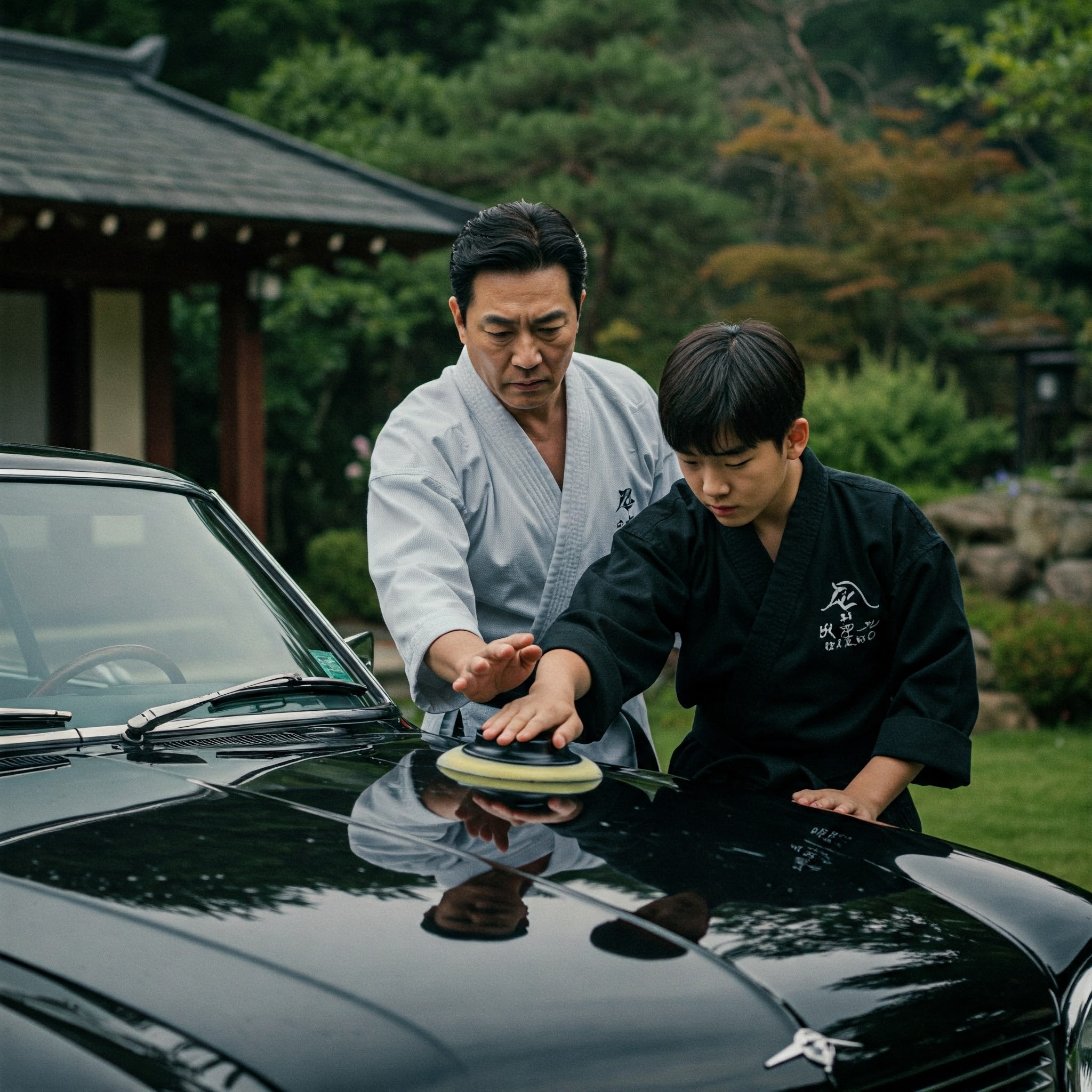
You ever seen The Karate Kid? The sensei had the apprentice doing the same move for days—wax on, wax off. At first, it seemed pointless. But when the punches started flying, that simple move was the difference between victory and getting a black eye.

The same goes for sports. The best athletes don’t just practice advanced plays—they drill the fundamentals over and over until they’re second nature. And guess what? The same principle applies in sales. Some salespeople see their numbers tank, only to realize they got away from the basics. When they return to the core skills—listening, asking the right questions, following up—their success skyrockets again.

Take Kobe Bryant. Kobe and those who trained with him often spoke about his unwavering commitment to the basics, even when he was considered one of the best players in the world. Those included footwork, free throws, defensive positioning. He’d show up at the gym before sunrise, repeating the basics thousands of times. That’s what made him great. Not just talent—relentless commitment to the fundamentals.

A quote often attributed to him is, “Why do you think I’m the best player in the world? Because I never ever get bored with the basics.” This highlights his belief that mastery of fundamental skills was crucial to his success.

Now, let me ask you—where have you drifted from the fundamentals? Whether it’s your health, your marriage, your mindset, your relationships, or your consistency in anything that matters—momentum works both ways. Sometimes, we ride a wave just because it’s familiar, even if it’s taking us in the wrong direction. Other times, we think we know the basics, but if we keep ending up in the same rut, do we really?

So here’s the challenge: take a hard look at your game—your life, your work, your habits. If something’s off, don’t chase a fancy new strategy. Get back to the fundamentals. Because when the pressure’s on, you’ll be glad you did.

“Thus says the Lord: ‘Stand by the ways and see and ask for the ancient paths, where the good way is, and walk in it; Then you will find a resting place for your souls.’” —Jeremiah 6:16 (NASB)

Win with Intent

In The Avengers, the team had one clear intent: save the world. Their methods? Unconventional. Their outfits? Let’s just say no one was blending in at the grocery store. But their mission was undeniable—defeat the enemy. Anything that didn’t support that goal? Irrelevant. No distractions, no wasted effort. Just laser focus.

Imagine if they wasted time arguing over uniform choices or whether Thor’s hammer was too flashy. If they lost sight of their mission, they’d be toast—and so would the world. Their success wasn’t just about power; it was about intent.

The same applies to us. Our intent determines our results.

If we’re serious about a goal—whether it’s our career, health, relationships, or finances—our actions must align.

  • Want to get in shape? Then our diet, exercise, and sleep should reflect that—not just our wishful thinking.
  • Want financial freedom? Our spending habits must support that goal, not work against it.
  • Want a strong marriage? Then our words, time, and effort must reinforce love and connection, not just hope for the best.

When our intent is clear, decisions become easier. We know what to say yes to and, more importantly, what to reject. Without intent, we waste time, energy, and resources on things that don’t serve us—like an Avenger trying to fight Thanos with a rubber chicken instead of a battle plan.

A life without clear intent is like flying without a flight plan—you’ll drift wherever the winds take you. But when you set your course with purpose, everything lines up to support your mission.

“Commit your activities to the Lord, and your plans will be established.” — Proverbs 16:3 (CSB)

So, what’s your mission? And are your actions backing it up? Or are you just hoping for the best while letting distractions hijack your journey?

The Blind See a Lot

On March 18, 2025, I encountered a blind man who was heading to work at a company that manufactures various products. As we chatted, he casually mentioned that most of the workers there were blind or visually impaired.

Now, let’s pause for a moment. Not only was this man blind and employed, but he worked at a company where other blind and visually impaired individuals were actively manufacturing products—some of which were supplied to the military. Meanwhile, here I was, fully sighted, well-educated, and yet still unemployed after 15 months. That realization hit me like a wake-up call wrapped in humility.

I had spent time lamenting my setbacks, questioning my path, and occasionally throwing myself a pity party. But here was a man who literally couldn’t see, yet he wasn’t allowing that to stop him from moving forward. If anyone had an excuse to sit on the sidelines, surely it was him. And yet, he was in the game, making plays, and contributing to something bigger than himself.

It reminded me of a simple but profound truth: Gratitude changes everything. Instead of focusing on what we lack, we need to appreciate what we have and refuse to let anything—real or imagined—block our path.

I once heard a saying: I used to complain about not having shoes until I saw a man with no feet.

If a blind man can press forward, so can we. No more excuses. No more self-pity. Eyes forward, head up, and keep moving.

“But he said to me, ‘My grace is sufficient for you, for my power is perfected in weakness.” — 2 Corinthians 12:9 (CSB)