
Ray Charles, the legendary musician whose soulful voice and piano mastery transcended generations, was not born blind. As a child, he loved the piano so much that the moment he heard his neighbor, Wylie Pitman, playing, he would rush over just to listen. Even before he could properly play, he would bang his hands on the keys in delight. Pitman, seeing the spark in the boy’s heart, began to teach him the basics.
Ray eventually lost his sight—initially thought to be a psychological condition, later diagnosed as glaucoma. Yet, blindness did not blind his ambition. Though he could not see, he could hear. And through hearing, he built melodies that moved millions. His eyes were closed, but his vision was open.
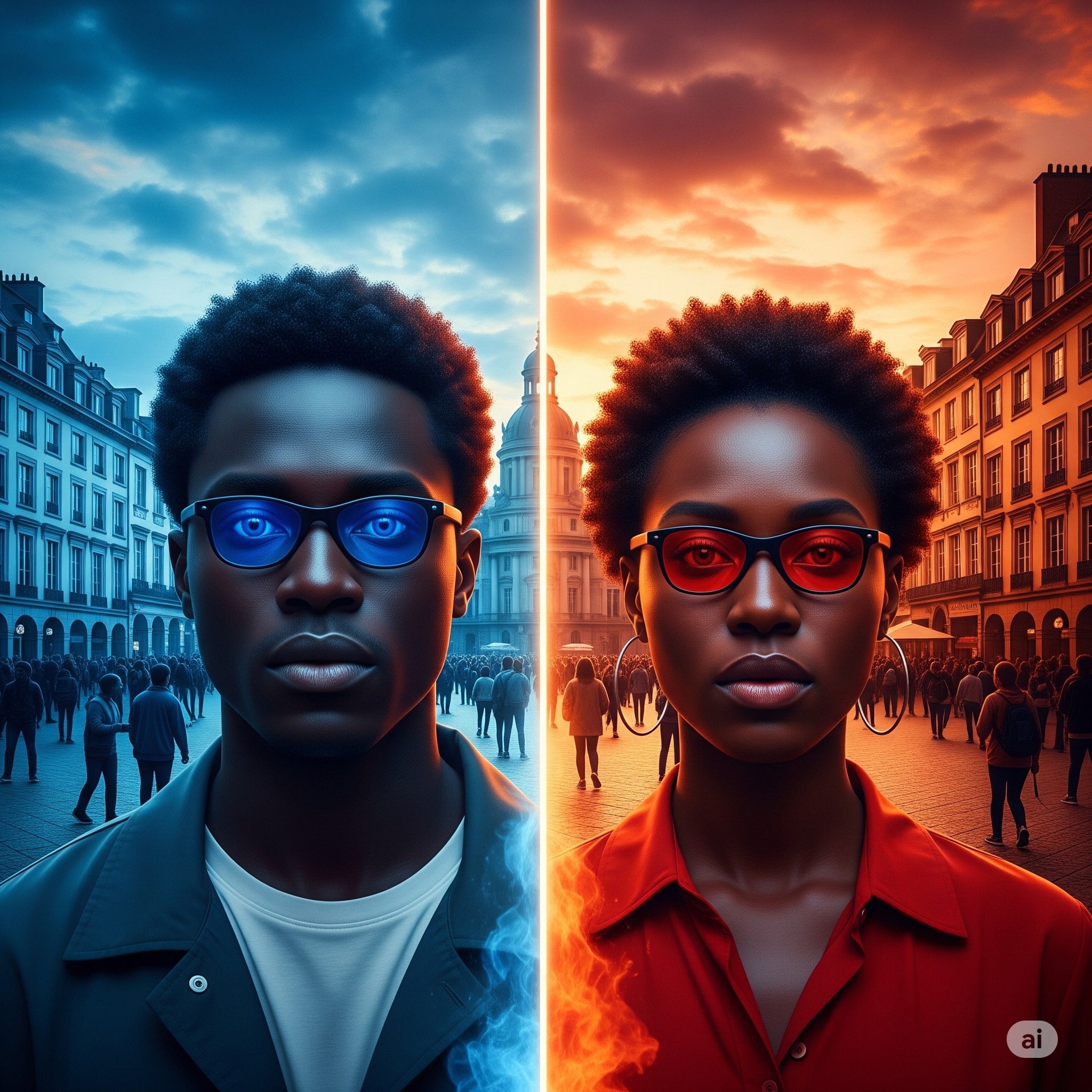
This leads us to a deeper truth about perception. If you look at the world through blue lenses, you will see blue—no matter how many voices insist it is red. Similarly, in life, there are moments when what we see and what we hear do not match. Psychologists call this “audiovisual incongruence.” In human experience, it manifests as confusion, indecision, and inconsistency. We cannot walk a straight path when our eyes and ears tell conflicting stories.
But here’s the real challenge: You don’t perceive the world as it is—you perceive it as you are. Our biases, wounds, and beliefs tint the lenses through which we see and filter the sounds we hear. If the lenses are bitter, the world will look bitter; if the soundtrack in our minds is fearful, the world will sound threatening.
So if we wish to experience the world as a better place, we must first become better people. We must align what we see with what we hear, rooting both in truth, humility, and love. Only then will our perception match reality, and only then will we walk with consistency of vision and clarity of direction.
“The eye is the lamp of the body. If your eye is healthy, your whole body will be full of light.”
— Matthew 6:22, CSB
 ThoughtPager