The Potter’s Touch

From the earliest human hands shaping clay to the charming collectibles on our shelves today, ceramic toys tell a remarkable story of transformation. These fragile figures, hardened by fire and time, remind us that something simple—even broken—can become beautiful. And isn’t that just like God?

From Ancient Hands to Playful Forms

Tens of thousands of years ago, our ancestors shaped the first crude clay figurines. As civilizations grew, this humble art flourished. From wheeled animals in ancient India (2500 BCE) to perfected porcelain in China, people worldwide sculpted, fired, and treasured small clay creations. They started as lumps, but under pressure, heat, and the guiding hand of an artist, they became treasures.

Shaped, Fired, and Transformed

By the 18th century, porcelain toys were in full bloom in Europe, from delicate Meissen creations to beloved Staffordshire dogs. The 20th century brought Hummels and other mass-produced keepsakes. This fascination endured through wars and revolutions because it speaks to our longing to see what’s possible when something ordinary is placed in skilled hands.

A Divine Parallel

In Jeremiah 18, God sends the prophet to a potter’s house. When a vessel is marred, the potter reworks it into something new and beautiful. God asks, “Can I not treat you as this potter treats his clay?” (Jeremiah 18:6, CSB).

This is more than a history of toys; it’s a picture of grace. Like clay, we are shaped by time, pressure, and mistakes. But in the hands of the Master Potter, our flaws are not fatal. Our mess-ups are raw material, and what He makes out of them is often far more beautiful than we first imagined.

A Reflection on Enduring Wonder

Looking at ceramic toys reveals hope. If clay can be molded into joy across centuries, surely our lives, no matter how marred, can be reshaped by a loving God who sees value in every piece.

What has God reshaped in your life that once seemed beyond repair?

“Like clay in the potter’s hand, so are you in My hand.” — Jeremiah 18:6 (CSB)
Obscurity to Ovation

Some people dream with their eyes closed. Others dream wide awake—with blistered hands, broken pride, and a will that won’t back down.

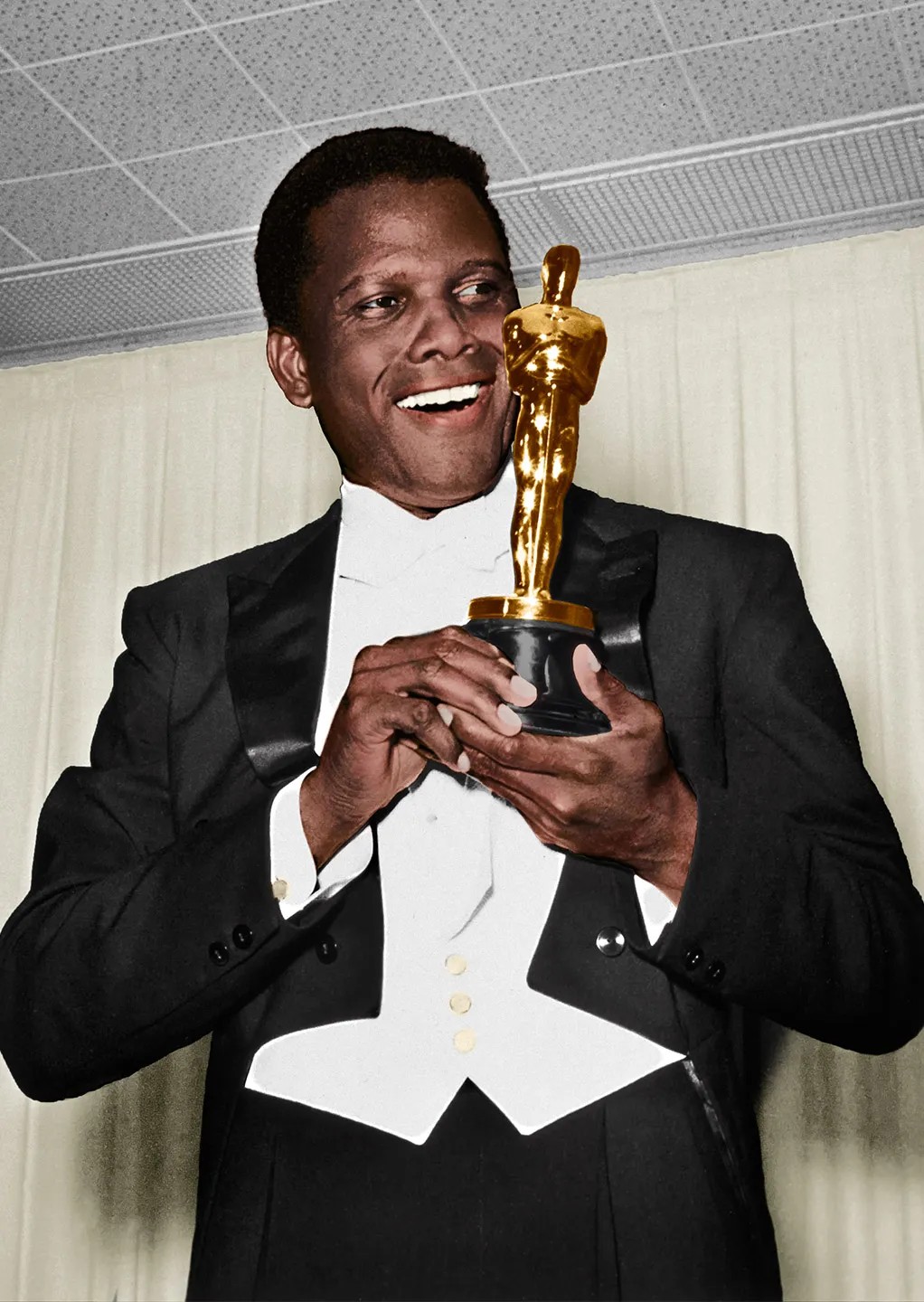
Sidney Poitier was the second kind.

Born prematurely in Miami to tomato farmers from the Bahamas, Sidney wasn’t expected to survive his first week. He grew up without electricity, running water, or formal schooling. By the time he moved to the U.S. at 15, he was functionally illiterate and had a thick Bahamian accent.

He arrived in Harlem with nothing but a dream: to act. Laughable, really. He couldn’t read a script or imitate an American accent. And in Jim Crow America, Black actors weren’t lining up to receive Oscars.

But here’s where the story turns.

Rejected by an acting school, he didn’t storm out. He went home and got to work. He taught himself to read using newspapers. He mimicked radio announcers to refine his speech. He swept floors at the American Negro Theatre just to be near the stage.

He failed auditions. He bombed onstage. He kept going.

Eventually, he began landing roles—roles with dignity and depth. In The Defiant Ones (1958), he became the first Black actor nominated for a Best Actor Oscar. In 1964, he became the first to win, for Lilies of the Field. He didn’t walk through a door; he broke it off the hinges so others could follow.

And all because he refused to let a dream die.

Dreams aren’t meant to be coddled. They’re meant to be carried—dragged, if necessary—through doubt, failure, and obscurity. They stretch and humble us, shaping us into people who can handle the weight of them.

Focus keeps you from chasing every shiny distraction.
Persistence keeps you going when no one claps.
Growth makes you ready for the moment when it finally comes.

So when it gets hard, when the path feels slow or silent—remember Sidney.

“I don’t know that I would call myself a dreamer. I think I’m a dream carrier.”
—Sidney Poitier

“Let us not grow weary in doing good, for at the proper time we will reap a harvest if we do not give up.”
—Galatians 6:9 (CSB)

The Dad Difference

There’s a difference between being a father and being a dad.
Fatherhood can begin with biology—but being a dad? That’s a calling.

A dad shows up. Not just once or twice, but over and over again. Through scraped knees, late-night talks, tough love, silent prayers, and unwavering belief in who you’re becoming. A dad is the steady hand on the shoulder, the raised eyebrow of accountability, the warm embrace that says, “You’re safe here.”

Some men have children and never fully embrace that role. Others never had children of their own, yet stepped into the life of a young soul and made all the difference. Their time, wisdom, and consistency left fingerprints on a heart that will never forget them. Those are dads too.

A dad is more than a provider. He’s a protector, a coach, a counselor, a teacher, a servant leader. He may not always have the right words, but he’s always trying to do right by you. He bears the weight of responsibility, often quietly, so others can flourish. He’s not perfect—but his effort, his love, and his presence speak volumes.

So today, we pause to honor the men who chose to show up—again and again.
Whether you’re the dad who raised your own children with faith and integrity, or the one who mentored, coached, or stepped in for someone else’s child—you matter. You are deeply appreciated.

Happy Father’s Day.
May you continue to embody the strength, courage, accountability, and unwavering love that shape character and destiny. Your grit is a gift. Your presence is power. And your influence runs deeper than you know.

“Be alert, stand firm in the faith, be courageous, be strong. Do everything in love.”
— 1 Corinthians 16:13-14 (Christian Standard Bible)

It’s Not a Tiger

Picture your ancestor, thousands of years ago, creeping through the forest in search of food. Every rustle, every shadow, could mean danger—a saber-toothed tiger, a lurking predator, something with claws and an appetite. Their survival depended on a hyper-alert fear response. That fear? It kept them alive long enough to pass on their genes.

And now here you are—safely tucked into 2025, latte in hand, no predators in sight. And yet, that same ancient alarm system still goes off… right before you make a prospecting call.

Why?

Because while our environments have evolved, our brains haven’t fully caught up. Your nervous system still treats discomfort like danger. It doesn’t know the difference between “I’m about to get eaten” and “I’m about to be mildly embarrassed.”

Let’s break it down:

  • Making a cold call? Your heart pounds, palms sweat, mind spins. Rationally, you know the worst-case scenario is a polite “no.” But to your inner caveman, rejection = tribal exile = death.
  • Public speaking? Feels like stepping into a clearing full of predators. The audience isn’t going to pounce—but your brain acts like they might.
  • Introducing yourself to a stranger? Suddenly it feels like your social survival is on the line. You might not get eaten, but that voice in your head is screaming, “Abort mission!”

These reactions are outdated—but persistent. They’re echoes of a time when fear was protection. Today, they’re just poor advisors.

And that’s where daily courage comes in.

Like our ancestors had to face their fears to survive, we must face ours to grow.

  • That prospecting call? Dial anyway.
  • That stage? Step onto it—even with shaky knees.
  • That room full of strangers? Say hello to just one.

Courage isn’t about being fearless. It’s about doing it anyway.

Each time you act in spite of fear, you teach your brain a new lesson: This is not danger. This is progress.

Courage rewires the alarm system. It builds confidence. It transforms “what if they reject me?” into “what if this leads to something great?”

“Be strong and courageous; don’t be afraid or terrified of them. For the Lord your God is the one who will go with you; He will not leave you or abandon you.”
Deuteronomy 31:6 (CSB)

So the next time fear flares up before you take a bold step, remember: you’re not being hunted. You’re being stretched. Channel your inner hunter—minus the loincloth—and do it scared.

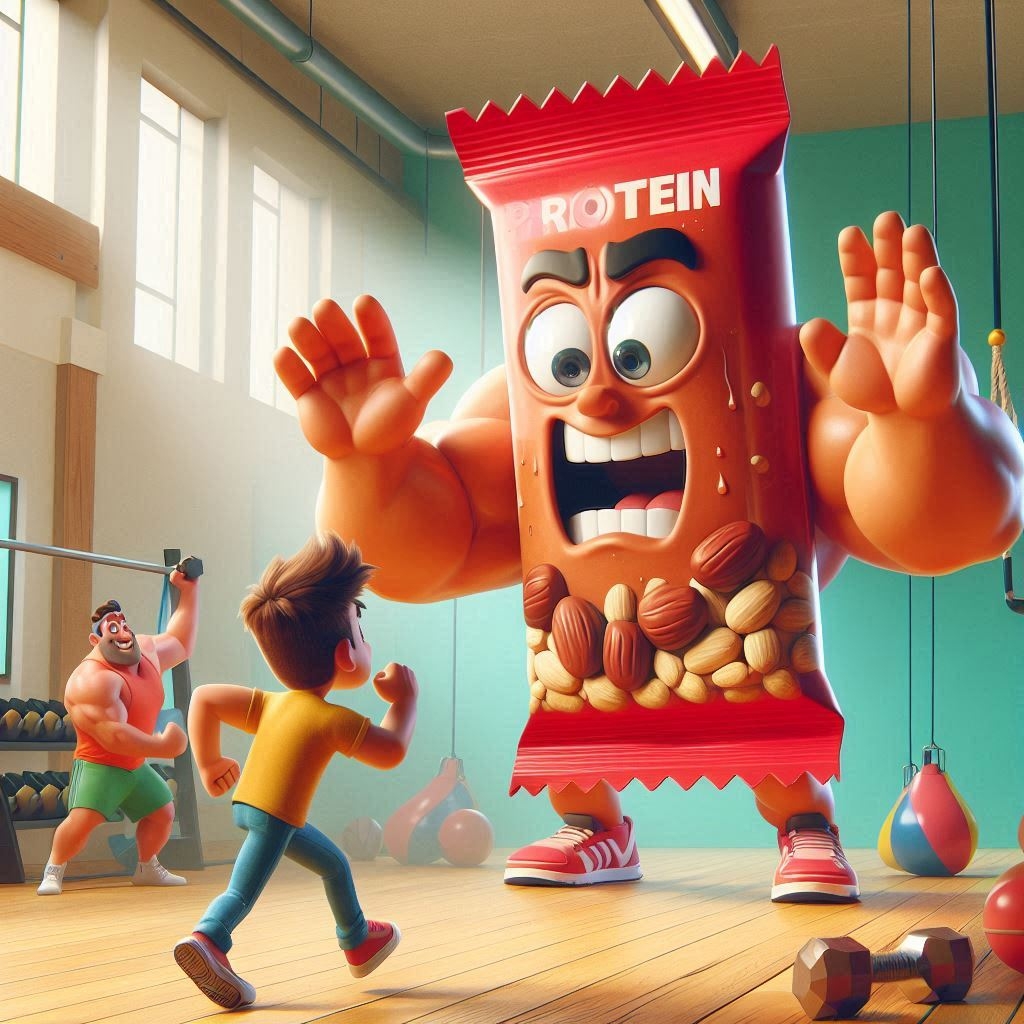
The Protein Bar

I was tired—of eating half a protein bar, of missing my daily protein target, and mostly, of the nonsense in my head.

I’d seen a guy on YouTube survive on protein bars for a week. Impressive? Maybe. Smart? Debatable. But I figured I could at least finish one. Just 12 grams of protein. Easy snack. Right?

Wrong.

What started as a “quick bite” turned into a mental fog. I wanted to stay “composed” for a surprise event my wife planned, but in the process, I checked out. I wasn’t fully there. My body showed up, but my brain apparently stayed home consuming distractions.

But here’s the truth: it wasn’t about the bar. It was about the mindset. I wasn’t feeding my body—I was feeding avoidance. That bar was a crunchy little symbol of my attempt to manage discomfort with focus on food instead of faith.

Then came the wake-up call. Pastor Diego Mesa, a guest speaking at my Church (July 28, 2024), dropped this line: “God’s not through with you yet.” Oof. Conviction served.

And this gem: “The breakthrough is closer than you think.”

Right there, I knew. The bar wasn’t the enemy. My fear of uncertainty was. So I chose to face it—head-on. Two days later, I resolved not to return to that old pattern. I expected to be tested. And I was. But tests are proof that growth is underway.

Lesson? Don’t panic. Stay the course. And sometimes, just throw the bar away.

“And let us not grow weary while doing good, for in due season we will reap, if we do not give up.”—Galatians 6:9 (CSB)